
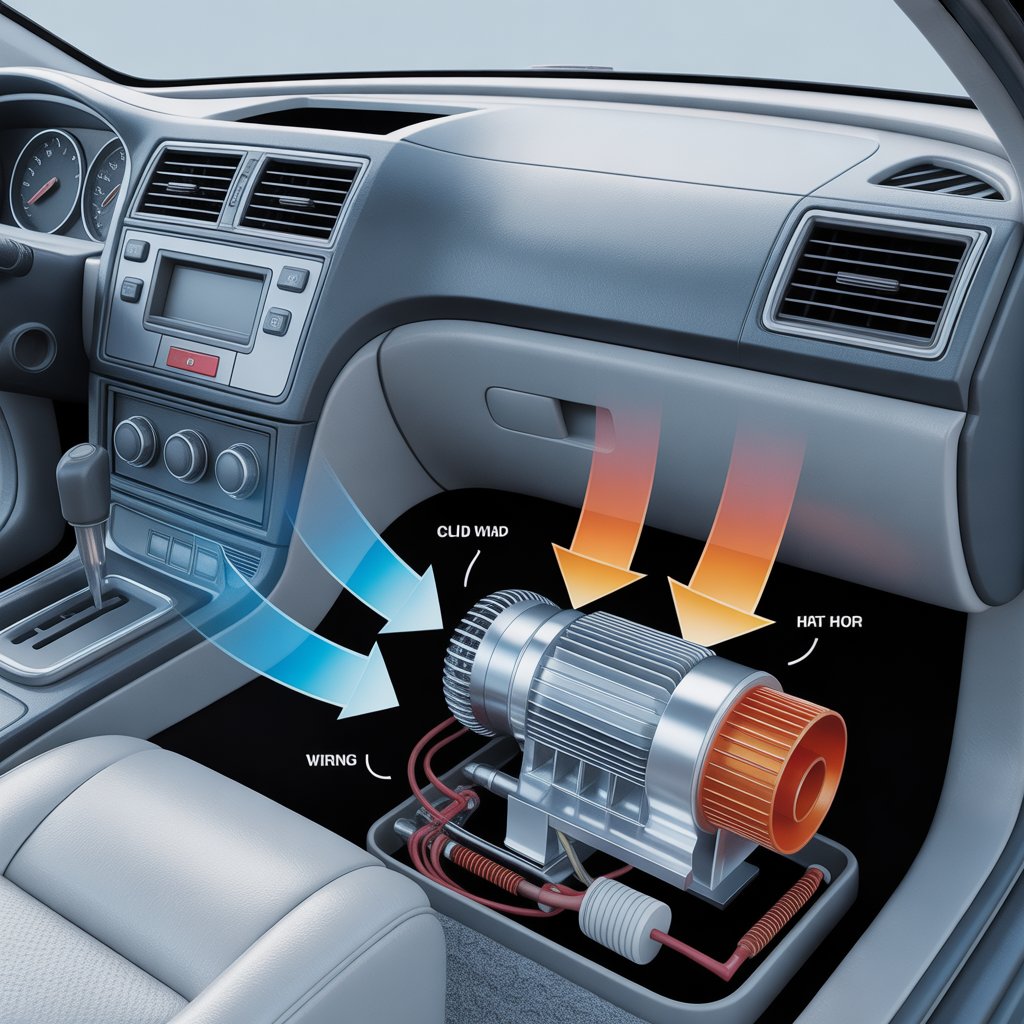
You turn on the air conditioning in your car or adjust the thermostat at home and expect comfortable air to flow right away. When the vents stay quiet or the airflow feels weak, you start to wonder what went wrong inside the system. Many people point to the blower motor as the hidden hero that makes everything work. This review explores what a blower motor does, why it matters, and how you keep it running smoothly so your heating and cooling systems deliver reliable comfort year after year.
The Basic Job of a Blower Motor
You rely on the blower motor every time you want air to move through vents in a vehicle or home HVAC system. This small electric motor spins a fan or wheel that pushes heated, cooled, or fresh air where you need it. In cars, the blower motor sits behind the dashboard on the passenger side and forces air across the heater core or AC evaporator. In homes, it circulates air through ducts after the furnace or air handler conditions it. Without a working blower motor, your system might run but you feel little or no airflow. The motor turns electrical energy into mechanical motion that keeps temperatures comfortable and air fresh.
Different Types of Blower Motors You Encounter
You choose or replace a blower motor based on the system it serves. Single-speed motors run at one fixed pace and suit basic setups that need simple on-or-off operation. Multi-speed versions offer several levels so you adjust airflow strength for different needs. Variable-speed or electronically commutated motors (ECM) change speed automatically for better efficiency and quieter performance. Permanent split capacitor (PSC) motors provide reliable service at lower cost but use more energy than modern ECM models. You match the type to your vehicle or home system because the right blower motor improves comfort while lowering energy bills over time.
Where the Blower Motor Lives in Your System
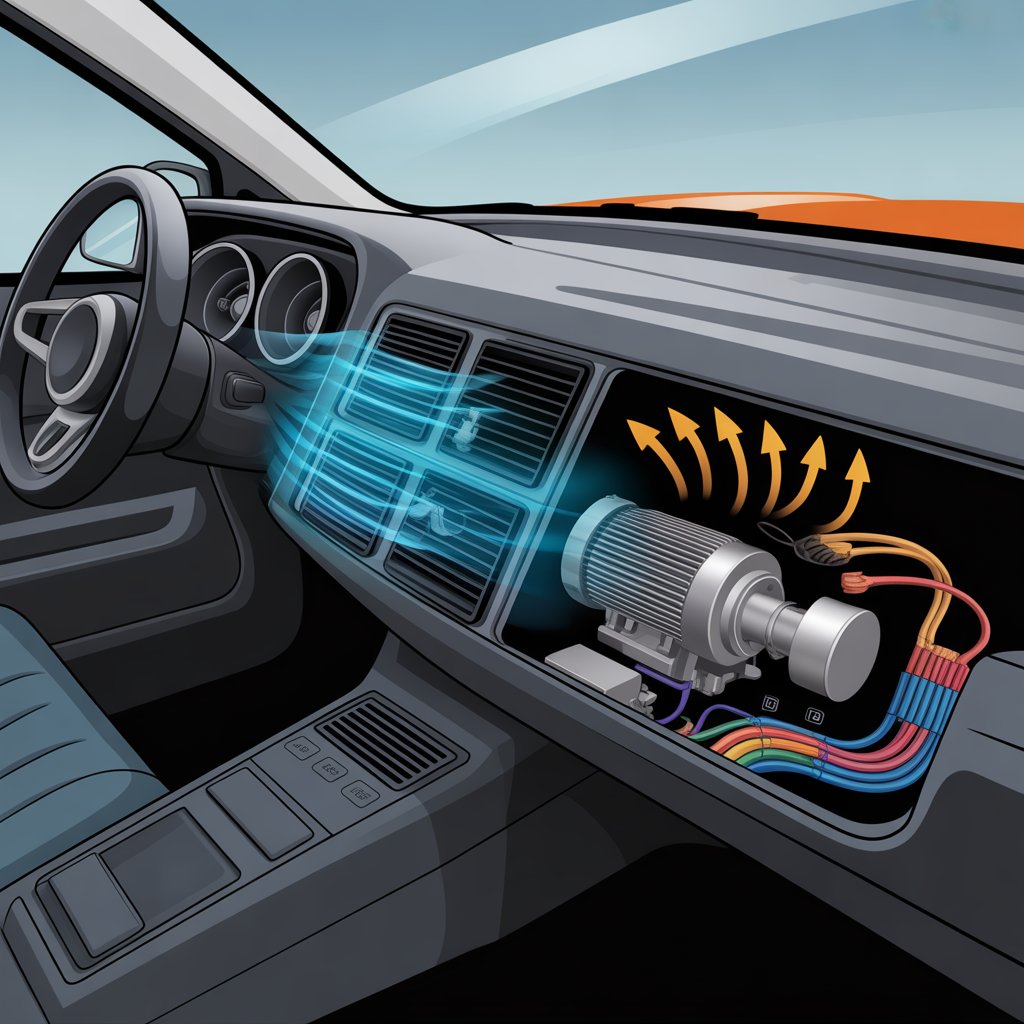
You locate the blower motor in different spots depending on the setup. In most cars, it hides under the glove box or behind the center console where mechanics access it after removing panels. In residential HVAC units, the motor mounts inside the air handler or furnace cabinet near the filter and blower wheel. The position protects the motor from weather yet makes it reachable for maintenance. You notice the blower motor works with other parts like the resistor or control module that adjust fan speed. Understanding the layout helps you diagnose issues faster when airflow drops or strange noises appear.
Common Signs Your Blower Motor Needs Attention
You spot trouble early when you pay attention to everyday clues. Weak or no air from vents signals the blower motor may struggle or have stopped completely. Unusual sounds such as squealing, grinding, or rattling often mean worn bearings or debris inside the fan cage. The system may cycle on and off more frequently or blow warm air when you expect cool air. You sometimes smell a burning odor if the motor overheats or electrical parts fail. In cars, certain speed settings stop working while others continue. These symptoms tell you the blower motor or related components need a check before small problems grow into expensive repairs.
What Causes a Blower Motor to Fail
You trace most failures back to a few common reasons. Dust, dirt, and debris build up over time and strain the motor as it works harder to spin the fan. Worn bearings create friction that leads to noise and eventual burnout. Electrical issues such as blown fuses, bad relays, or faulty resistors interrupt power and prevent proper operation. In humid climates, moisture causes corrosion on connections or inside the housing. Leaves or small objects sometimes enter the intake and jam the assembly. Age plays a role too because motors simply wear out after thousands of hours of use. Regular care reduces these risks and helps your blower motor last longer.
Simple Maintenance Steps You Can Take
You extend the life of your blower motor with easy habits anyone can follow. You replace or clean the cabin or air filter every few months so less dust reaches the fan. You listen for changes in sound and feel for consistent airflow during seasonal checks. You keep the area around the motor clear of obstructions and avoid running the system with a completely blocked filter. In vehicles, you run the fan on high occasionally to clear minor buildup. These steps cost little yet prevent major headaches and keep energy use efficient. When you combine them with professional inspections, the blower motor stays reliable through hot summers and cold winters.
How to Test and Diagnose Issues
You perform basic tests before you call for help. You check fuses and relays first because they fail often and cost little to replace. You turn the fan to different speeds and note which ones work or make noise. In many cars, you access the blower motor from under the dash and listen closely while someone adjusts controls. A multimeter helps confirm voltage reaches the motor when you expect it. If the motor hums but does not spin, debris or a seized bearing may be the culprit. These quick checks guide you toward the right fix and save time and money on unnecessary parts.
Replacing a Blower Motor When Needed
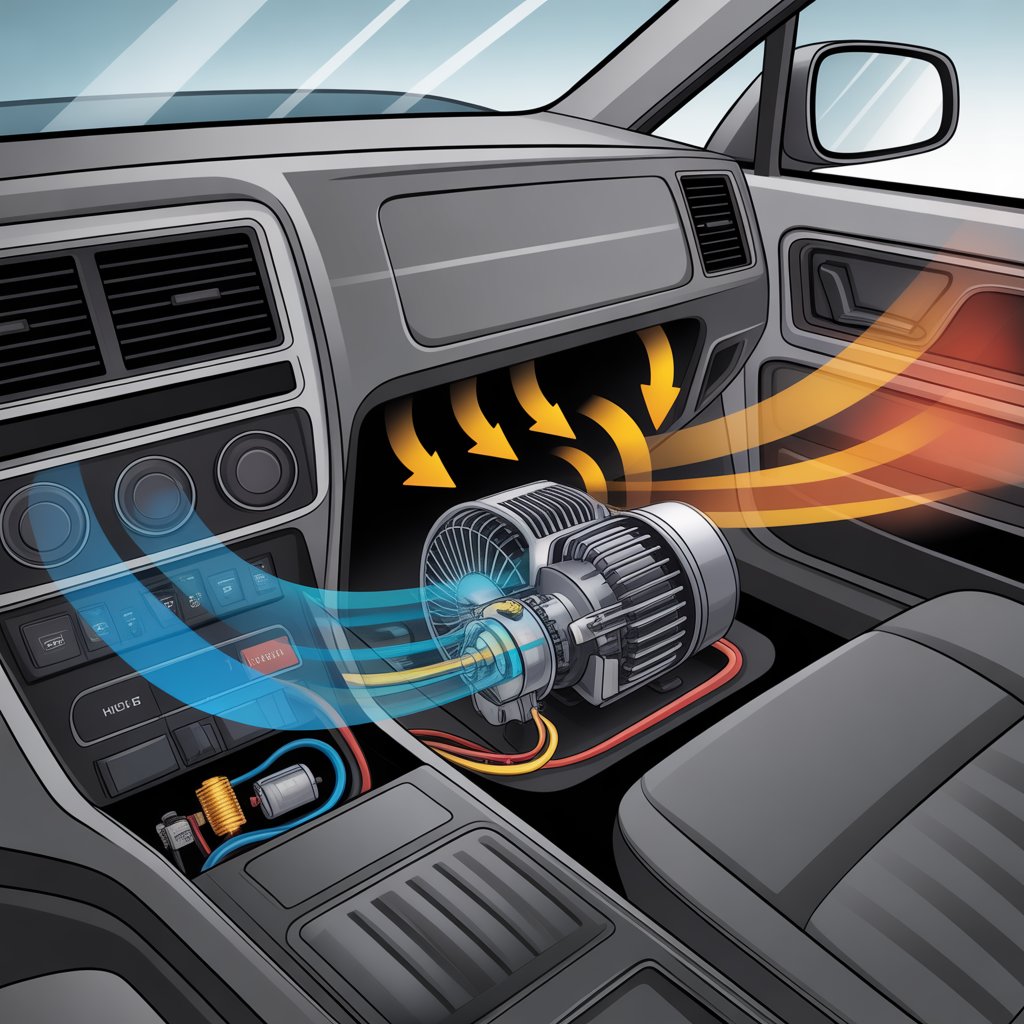
You decide to replace the blower motor once tests confirm it has failed or repair costs exceed the price of a new unit. You select a matching replacement that fits your exact make and model for proper airflow and speed control. Installation in cars usually takes an hour or two with basic tools after you remove obstructing panels. Home HVAC replacements require more caution around electrical connections and ductwork. You always disconnect power first and test the new blower motor immediately after installation. Professional help makes sense for complex systems or when you feel unsure about wiring. A fresh motor restores strong, quiet airflow and brings back full comfort.
Energy Efficiency and Modern Choices
You gain noticeable savings when you upgrade to an efficient blower motor. ECM variable-speed models adjust output precisely so they use less electricity than older single-speed units while maintaining even temperatures. These motors run quieter and reduce strain on the entire HVAC system. You pair them with high-quality filters and sealed ducts for maximum performance. Over time, the lower energy draw pays for the slightly higher upfront cost. Eco-friendly operation also means reduced wear and longer system life. You choose upgrades that match your budget and usage patterns so comfort improves without wasting power.
Final Verdict on the Blower Motor
The blower motor plays a quiet but critical role in keeping your car or home comfortable through every season. You enjoy consistent airflow and temperature control when the motor stays clean, properly maintained, and free of electrical faults. Early attention to weak flow, strange noises, or odd smells prevents bigger failures and costly downtime. Whether you drive a daily commuter or manage a whole-house system, understanding the blower motor helps you make smarter decisions about care and replacement. Simple routines and timely fixes keep this essential component working reliably for years. Next time you adjust the temperature and feel that refreshing breeze, you appreciate the small motor that makes it all possible. Stay proactive, choose quality parts, and enjoy dependable comfort without unexpected surprises.