
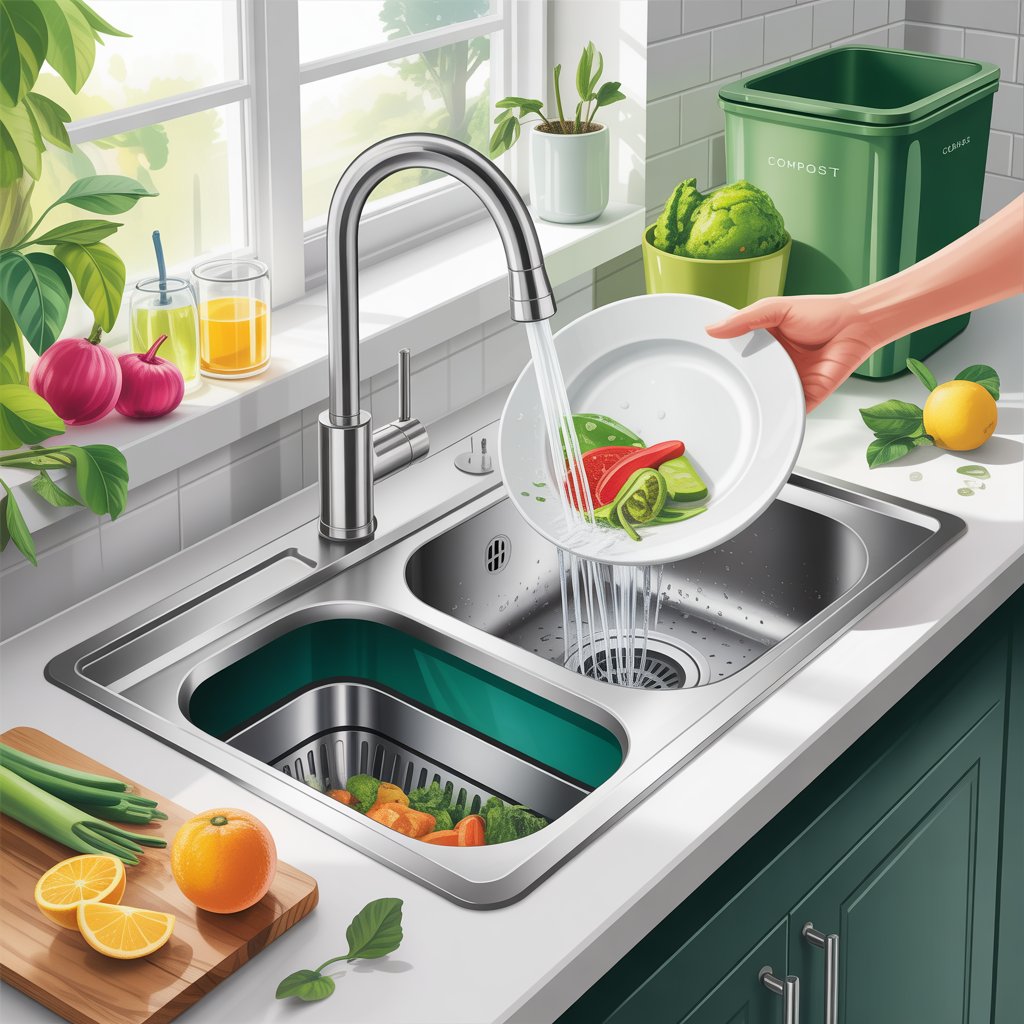
You scrape leftovers from plates after dinner and face the same choice every night. Do you toss scraps in the trash where they sit and smell, or flip the switch on your garbage disposal and let it grind everything away? Many homeowners love the quick cleanup, yet questions linger about clogs, costs, and real environmental effects. This review examines whether a garbage disposal truly simplifies kitchen life or creates problems that can be avoided with smarter habits.
Why Homeowners Install a Garbage Disposal
You enjoy faster cleanup when you rinse plates directly into the sink. A garbage disposal grinds small food scraps into tiny pieces that wash down the drain, so your kitchen trash stays drier and less smelly. No more soggy bags filled with rotting bits that attract pests. You reduce the volume of waste sent to landfills, helping cut down on space and methane gas from decomposing organics. Modern units run efficiently and use less water and electricity than older models. Families with busy schedules appreciate how the device handles daily scraps without extra steps. The convenience feels real when you clear the table in minutes instead of scraping everything into a bin first.
Types of Garbage Disposal Units Available
You choose between continuous-feed and batch-feed models when you shop. Continuous-feed units let you add scraps while the motor runs, which suits fast-paced households. You simply flip a wall switch and keep water flowing. Batch-feed models require you to load a set amount, then cover the opening with a special stopper to activate the grinder. These feel safer because the unit only operates when covered, and they work well on kitchen islands without extra wiring. You weigh convenience against safety and pick the style that matches your sink setup and daily routine. Both types grind effectively when used correctly and maintained regularly.
What You Can and Cannot Put Down the Garbage Disposal
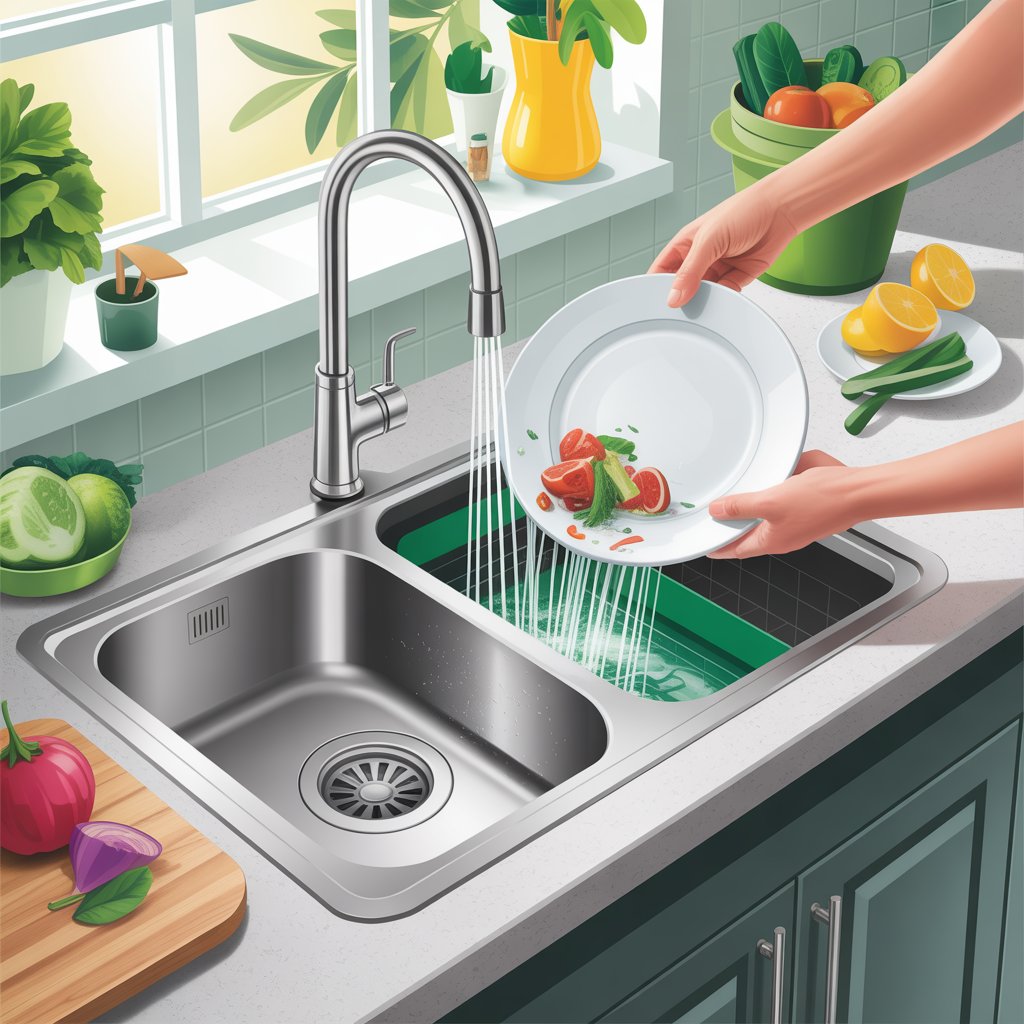
You keep the unit running smoothly when you know the limits. Soft fruit and vegetable scraps, small amounts of cooked meat, and ice cubes go down fine in moderation. You run cold water while the disposal operates, which helps flush particles away cleanly. On the other hand, you avoid grease, oils, and fats because they solidify in pipes and create stubborn clogs. Fibrous items like celery, corn husks, artichoke leaves, and potato peels wrap around blades and jam the motor. Coffee grounds turn into a thick paste that lines drains over time. Eggshells break into tiny shards that stick inside the unit, dulling performance. You skip large bones, fruit pits, nuts, and starchy foods like pasta or rice that expand when wet. These rules prevent most repair calls and keep your garbage disposal working year after year.
Maintenance Habits That Extend Life
You protect your investment with simple weekly care. You grind a handful of ice cubes mixed with rock salt to scour the blades and remove buildup. You follow that with citrus peels or a vinegar-baking soda mixture to naturally freshen odors. You always run plenty of cold water before, during, and after each use so scraps don’t stick in the pipes. You avoid pouring hot water or harsh chemicals down the drain because they damage seals and gaskets. You clean the rubber splash guard regularly with a brush or a soapy cloth to stop mold and debris accumulation. These habits take just minutes yet help your garbage disposal last 8 to 10 years or longer, rather than fail early from neglect.
Environmental Impact You Need to Consider
You weigh the eco side carefully because opinions differ on the benefits of garbage disposal. The unit diverts food waste from landfills, where it would produce methane, a powerful greenhouse gas. Wastewater treatment plants can capture some energy or nutrients from the processed scraps in certain systems. At the same time, the process uses extra water and electricity, and some municipalities report higher loads on sewer lines and treatment facilities. Clogs and backups can cause overflows that affect local waterways. Many experts recommend composting as a greener primary option because it turns scraps into nutrient-rich soil without straining plumbing or using extra resources. You combine both approaches effectively by composting what you can and using the disposal for items that do not compost well at home.
Common Problems and Quick Fixes
You troubleshoot minor issues before you call a plumber. When the unit hums but does not grind, you turn off the power and use a hex wrench to manually free a jammed flywheel from below. You reset the overload button at the bottom if the motor stops suddenly. Persistent odors often disappear after you clean with ice, salt, and citrus. Slow drains usually improve when you flush with hot water and baking soda, or call a professional snake if the clog is deeper in the pipes. You replace worn units when they leak, vibrate excessively, or fail to grind even soft scraps. Proactive attention saves money and avoids messy kitchen backups that disrupt your day.
Alternatives That Complement or Replace a Garbage Disposal
You explore options that reduce reliance on the garbage disposal while staying eco-friendly. A good sink strainer catches solids before they reach the drain, so you can easily scrape them into compost or trash. Indoor compost bins or countertop electric composters process scraps quickly and produce odor-free soil for plants. Bokashi systems ferment waste in a sealed bucket for later garden use. Outdoor composting works well if you have space and follow simple layering rules. You still keep a disposal for occasional convenience, but send most scraps to compost first. This balanced approach cuts waste, enriches your garden, and eases pressure on household plumbing.
Smart Buying Tips for a New Garbage Disposal
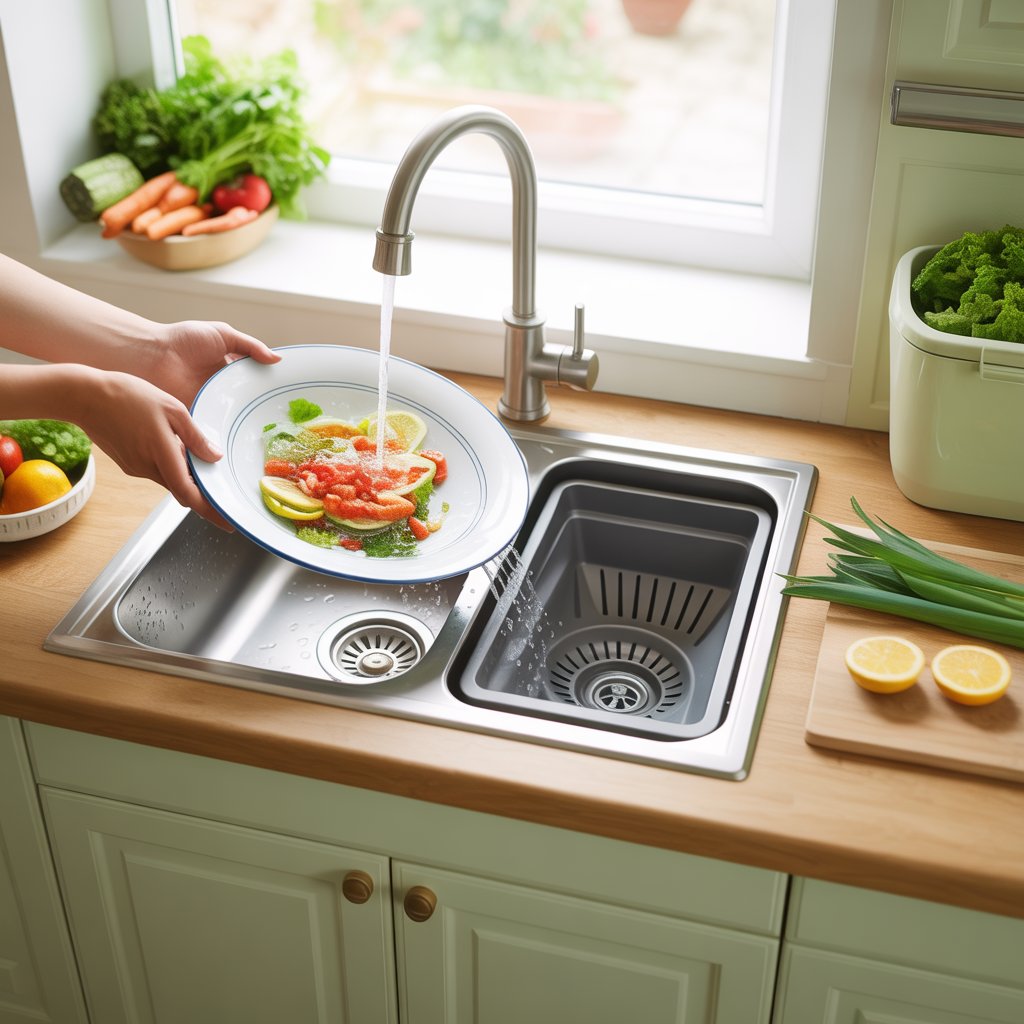
You focus on horsepower, noise level, and warranty when you select a unit. Half-horsepower models handle light use in small households, while three-quarter or one-horsepower versions tackle busier kitchens with tougher scraps. You look for stainless steel components and insulated designs that reduce noise during operation. You check compatibility with your sink and existing plumbing before purchase. Energy-efficient models with auto-reverse features clear jams more easily and last longer. You read recent user reviews to identify reliability patterns and choose reputable brands with solid customer support. Proper selection prevents frustration and delivers years of smooth performance.
Final Verdict on Garbage Disposal
A garbage disposal brings genuine convenience to daily kitchen routines when used wisely and maintained consistently. You enjoy quicker cleanup, drier trash, and fewer odors, while staying mindful of what goes down the drain and how often you clean the unit. Environmental trade-offs exist, so you pair the device with composting habits for a better overall impact. The right model and responsible use turn this appliance into a helpful kitchen partner rather than a source of clogs or repair bills. You now understand the pros, limitations, and best practices that keep everything running smoothly. Next time you clear the table, you make informed choices that protect your plumbing, your wallet, and the planet at the same time. A well-cared-for garbage disposal simplifies life without creating unnecessary headaches down the line.