
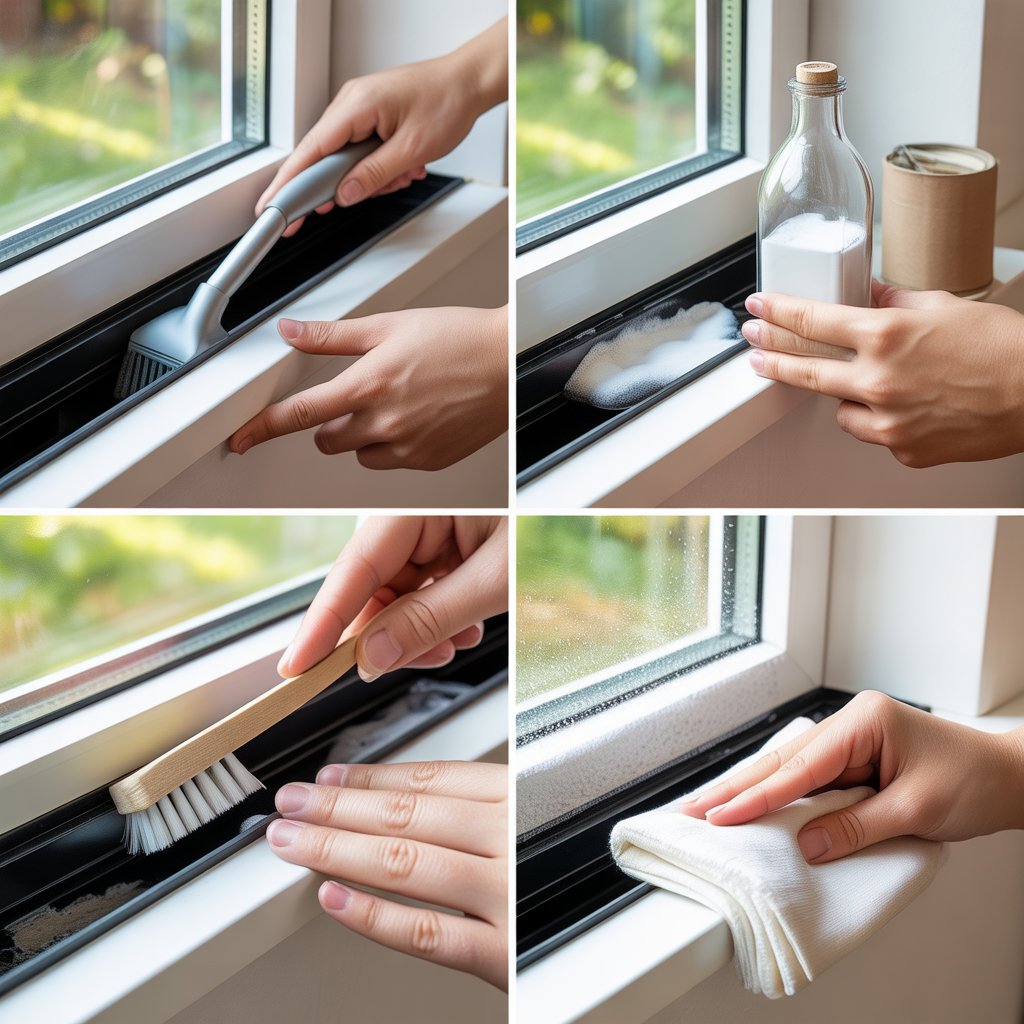
You glance at your windows on a sunny day and notice the tracks look dull with built-up grime. Dust, pet hair, and sticky spots make the glass slide roughly and trap allergens. You ask yourself whether a deep clean makes a real difference or if you can skip it. This review answers that question and walks you through how to clean window tracks with simple, effective steps that deliver sparkling results without harsh chemicals.
Why Window Tracks Get So Dirty
You open and close windows daily, yet you rarely inspect the narrow channels where the sashes or panels glide. Dirt blows in from outside, pollen settles, and indoor dust mixes with moisture to create stubborn buildup. Kids and pets track in sand or crumbs that lodge in corners. Over time these particles grind against moving parts and cause windows to stick or rattle. You notice drafts increase and energy bills creep up when seals fail to close tightly. Allergies flare when mold hides in damp tracks. Regular attention to how to clean window tracks prevents these issues and keeps your home fresher. The task feels small, but the payoff shows in smoother operation and brighter rooms.
Tools You Need for an Eco-Friendly Clean
You gather a few household items before you start so the job flows smoothly. A vacuum with a crevice or brush attachment lifts loose debris fast. An old toothbrush or soft scrub brush reaches tight spots without scratching surfaces. Microfiber cloths absorb dirt and leave no lint behind. White vinegar and baking soda form a natural fizzing cleaner that cuts grease and kills mold safely. A spray bottle, warm water, and optional cotton swabs complete the kit. You skip toxic sprays and protect indoor air quality while you work. These supplies cost little, stay gentle on vinyl or aluminum tracks, and align with eco-friendly habits you already practice around the house.
Step-by-Step Guide to How to Clean Window Tracks
You begin with the dry phase so you avoid turning dust into mud. Remove the window sash if the design allows easy lifting, or simply raise it high enough to access the lower track fully. Vacuum every inch of the channel with the crevice tool to pull out sand, hair, and loose particles. You work from one end to the other and pay extra attention to corners where debris collects. Next you sprinkle a light layer of baking soda along the entire track. You mix equal parts white vinegar and warm water in your spray bottle, then mist the area generously. The mixture bubbles and lifts embedded grime as the acid works its magic. You let it sit for five to ten minutes so the reaction loosens everything.
You grab the toothbrush and scrub gently in small circles to break up remaining spots. You focus on stubborn areas near the ends or under weatherstripping without forcing the bristles too hard. For extra precision you dip cotton swabs in the vinegar solution and clean narrow grooves. You wipe away the loosened mess with a damp microfiber cloth, rinsing it often in clean water so you do not spread dirt. A final pass with a dry cloth removes moisture completely and prevents new mold growth. You repeat the process on the upper tracks and any side channels if your windows allow access. When you finish, you slide the sash back and test the movement. The difference feels immediate as the window glides quietly and seals tightly.
Tackling Tough Mold and Stubborn Grime
You sometimes discover black mold spots in humid climates or after rainy seasons. You boost the vinegar strength by using it undiluted or add a few drops of tea tree oil for natural antifungal power. You spray directly on the affected areas and let the solution dwell longer before you scrub. Baking soda paste works well on heavy buildup because you apply it thick, spritz vinegar, and watch it foam away the mess. You avoid bleach entirely since it damages seals and releases fumes you prefer not to breathe. These natural methods leave tracks fresh and safe for children and pets who spend time near windows.
Common Mistakes You Should Avoid
You rush the vacuum step and later regret it when wet dirt turns into a paste that clings harder. You use abrasive pads or wire brushes that scratch the finish and create places for future dirt to hide. You leave tracks damp after cleaning and invite mold back within days. You forget to clean the drain holes or weep slots that let water escape, so moisture pools and corrodes metal parts. You apply too much force on delicate vinyl and bend the tracks out of shape. You skip the drying step and watch streaks reappear quickly. Awareness of these pitfalls helps you complete how to clean window tracks efficiently and protect your investment in good windows.
Maintenance Tips to Keep Tracks Clean Longer
You establish a quick routine that prevents heavy buildup from returning. You vacuum tracks lightly every two weeks during dusting day and wipe them with a damp cloth. You keep windowsills clear of plants or objects that drop leaves or soil. You trim nearby trees or bushes that brush against the exterior and push debris inside. You apply a small amount of silicone-based lubricant after cleaning so windows slide effortlessly without attracting new dust. You open windows regularly to improve airflow and reduce trapped humidity that feeds mold. You check seals and weatherstripping during each clean and replace worn pieces promptly. These habits turn how to clean window tracks from a dreaded chore into a simple habit that saves time and money over the years.
Benefits You Notice After a Thorough Clean
You enjoy smoother window operation that reduces daily frustration and noise. Fresh air flows more freely when tracks no longer block proper closure. Indoor air quality improves as you remove dust and allergens that once circulated through the house. Energy efficiency rises slightly because tight seals keep heated or cooled air inside where it belongs. Your windows look brighter and more inviting from both inside and outside. You feel pride when guests comment on how clean and well-maintained the home appears. The natural methods you use leave no chemical residue, so you breathe easier knowing the space stays healthy for everyone who lives there.
When to Call a Professional
You handle most routine cleaning yourself, yet you recognize limits with very old windows or extensive damage. You call a window specialist when tracks appear bent, seals have failed completely, or mold returns quickly despite your efforts. Professionals use specialized tools and can inspect the full window system for hidden issues. You still perform light maintenance between visits so the windows stay in top shape and last longer. The combination of DIY care and expert help keeps everything functioning reliably for many seasons.
Final Verdict on How to Clean Window Tracks
How to clean window tracks turns out simpler and more rewarding than most people expect once you follow a consistent, eco-friendly approach. You remove dirt, prevent problems, and restore smooth performance with items already in your kitchen. The process takes under thirty minutes per window after you gather supplies, yet the results last for months. You protect your windows, improve home comfort, and maintain a cleaner living environment without relying on harsh products. You feel confident tackling the job because the steps stay straightforward and effective every time. Give your windows the attention they deserve and enjoy the difference in daily living. The small effort delivers big improvements in function, appearance, and peace of mind.