
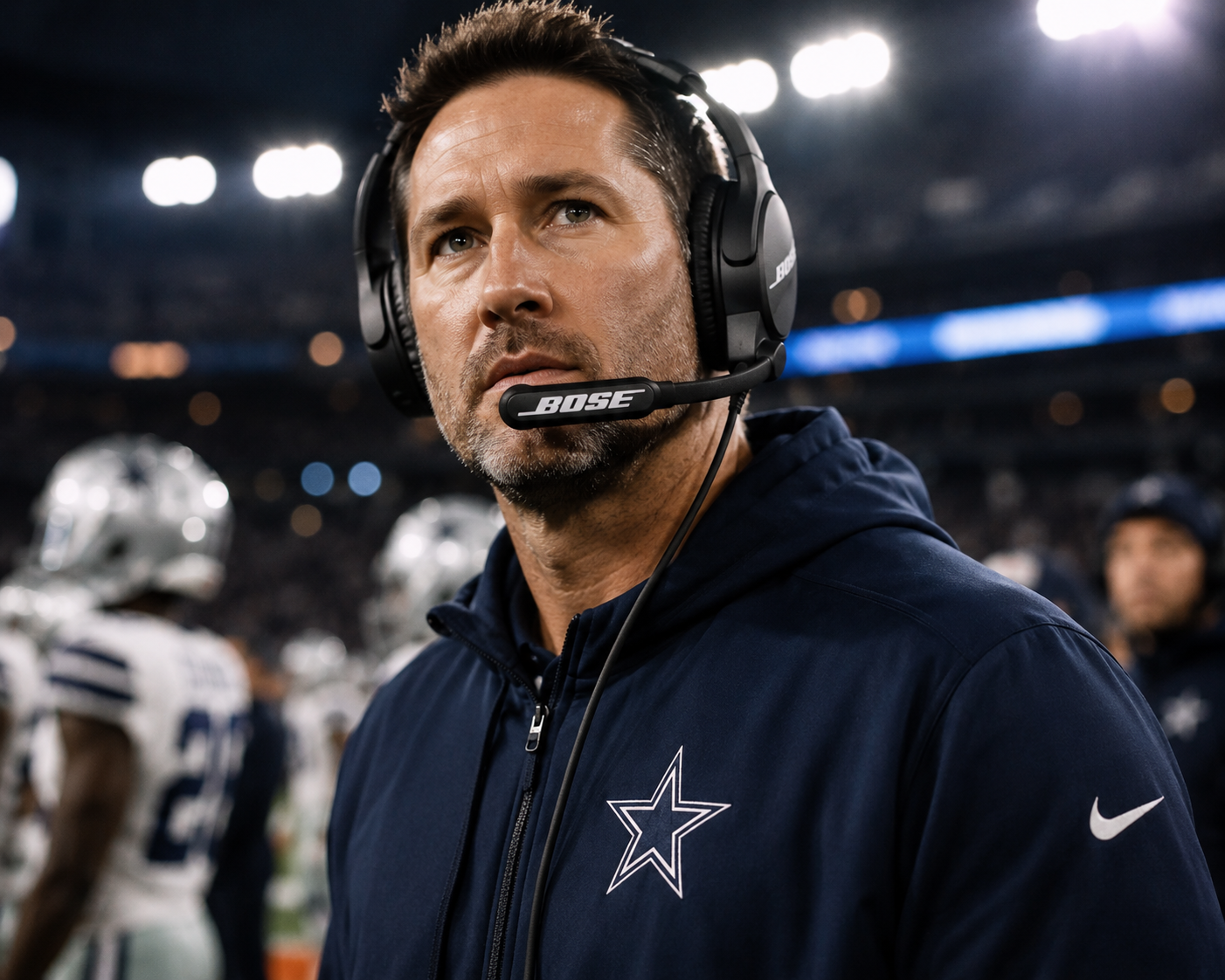
Brian Schottenheimer
Professional football remains one of the most competitive environments in sports. Coaches face constant pressure because every decision influences team performance, player development, and season results. In that demanding world, certain names continue attracting discussion because of experience, leadership, and long-term involvement in the game. One of those names is Brian Schottenheimer.
Football fans recognize Brian Schottenheimer for his extensive coaching background, offensive strategy experience, and deep connection to NFL culture. Over the years, he worked with multiple teams, quarterbacks, and offensive systems while building a strong professional reputation inside football circles.
Many coaches enter the league briefly and disappear quickly. However, Brian Schottenheimer maintained relevance across different eras of NFL football because adaptability and football intelligence remain essential for long-term success.
His coaching journey reflects dedication, discipline, and a strong understanding of offensive football strategy.
Who Is Brian Schottenheimer?

Brian Schottenheimer is an American football coach widely known for his work in the National Football League. He built his reputation through offensive coaching roles, quarterback development, and leadership positions with several NFL organizations.
Football runs deeply through the Schottenheimer family legacy. His father, Marty Schottenheimer, became one of the most respected coaches in NFL history. That background naturally influenced Brian’s path into professional football.
Growing up around football culture helped him develop a deep understanding of strategy, preparation, teamwork, and leadership from an early age.
Over time, Brian Schottenheimer established his own coaching identity while continuing the family tradition connected with professional football excellence.
Early Football Background
Football environments shape coaches long before official careers begin. For Brian Schottenheimer, early exposure to NFL systems and locker-room culture created a strong foundation for future coaching opportunities.
Watching professional coaches prepare game plans, manage players, and handle competition provided valuable insight into leadership and football operations.
Many successful coaches develop strong communication skills early because football depends heavily on teamwork and preparation. Discussions surrounding Brian Schottenheimer often highlight his ability to connect with players and offensive personnel effectively.
His football upbringing helped create familiarity with the demanding pace and pressure connected with NFL coaching careers.
That preparation became valuable once he entered professional coaching roles.
Offensive Coaching Style
Offensive football requires balance between creativity, discipline, timing, and adaptability. Coordinators must design systems that maximize player strengths while adjusting constantly during games.
The reputation surrounding Brian Schottenheimer often focuses on offensive strategy and quarterback development.
NFL offenses continue evolving every season. Modern football emphasizes speed, spacing, passing efficiency, and versatile play-calling. Coaches who adapt successfully remain valuable within competitive organizations.
Many discussions about Brian Schottenheimer mention structured offensive systems, organized preparation, and practical game management approaches.
Football coaches must also communicate complex ideas clearly because players need quick understanding during high-pressure situations.
Strong offensive leadership depends heavily on preparation and consistency.
NFL Experience Matters
Long-term NFL experience creates valuable football knowledge. Coaches learn how to manage pressure, adapt to roster changes, and respond to evolving league trends.
Throughout his career, Brian Schottenheimer worked with multiple NFL franchises and gained experience across different coaching environments.
Every organization operates differently, which means coaches must adjust leadership styles, communication methods, and strategic approaches depending on team culture and player personnel.
That variety helps experienced coaches become more flexible and knowledgeable over time.
NFL success rarely comes easily because competition remains intense every season. Coaches who maintain long careers usually demonstrate professionalism, adaptability, and strong football understanding consistently.
The continued attention surrounding Brian Schottenheimer reflects respect for that experience level.
Quarterback Development
Quarterback development remains one of the most important responsibilities in professional football. Modern offenses depend heavily on quarterback decision-making, accuracy, leadership, and confidence.
Coaches connected with quarterback improvement often receive strong recognition because successful quarterbacks influence entire franchises.
Discussions surrounding Brian Schottenheimer frequently mention work with quarterbacks and offensive systems designed to support player strengths.
Quarterback coaching requires patience, communication, film analysis, and strong tactical understanding. Every player processes information differently, so coaches must adjust teaching styles carefully.
Successful coaching relationships also depend on trust between coordinators and quarterbacks.
That relationship often shapes offensive success during critical games and playoff situations.
Leadership Beyond Strategy
Football leadership extends beyond play design alone. Coaches also guide team culture, player motivation, emotional control, and professional discipline.
The reputation connected with Brian Schottenheimer includes leadership qualities such as preparation, communication, and organizational structure.
Players perform better when coaching staffs create confidence and stability within team environments. Strong leadership also helps athletes remain focused during difficult stretches of a season.
Modern NFL coaching requires emotional intelligence alongside football expertise because teams function best when communication remains clear and constructive.
That human element continues influencing coaching success across professional sports.
Adapting to Modern Football

Football evolves constantly. Offensive systems today differ significantly from earlier eras because technology, analytics, athlete speed, and defensive schemes continue changing.
Coaches who survive long term must evolve alongside the game.
The discussions surrounding Brian Schottenheimer often reflect interest in how experienced coaches adapt to modern football trends while maintaining core strategic principles.
Analytics now influence play-calling decisions, player evaluation, and game preparation heavily. Technology also improves film study and opponent analysis.
At the same time, traditional football fundamentals still matter deeply. Discipline, execution, blocking, timing, and communication continue deciding games.
Balancing innovation with football fundamentals remains essential for successful coaching.
Public Attention and NFL Pressure
NFL coaching attracts enormous public attention because football fans analyze every decision carefully. Wins create praise, while losses generate criticism immediately.
That environment places constant pressure on coaches, coordinators, and players throughout the season.
The continued public discussion surrounding Brian Schottenheimer reflects how passionate football audiences remain about coaching performance and offensive strategy.
Fans often debate play-calling choices, quarterback usage, offensive creativity, and overall game management after every matchup.
Professional coaches must stay focused despite outside criticism and media pressure.
Long-term survival in the NFL requires resilience and strong mental discipline.
Why Fans Continue Discussing Brian Schottenheimer
Several factors explain why football audiences continue searching for information about Brian Schottenheimer.
First, NFL fans closely follow coaching careers because leadership influences team success directly.
Second, his football family background naturally creates public interest.
Third, offensive football remains one of the most discussed areas in modern sports analysis.
Finally, long-term NFL experience earns respect because professional football environments remain extremely competitive.
These combined reasons help explain why Brian Schottenheimer continues attracting attention within football discussions.
Final Thoughts
Brian Schottenheimer built a respected football career through experience, preparation, leadership, and offensive coaching knowledge. His journey through the NFL reflects dedication to professional football and long-term commitment to team development.
As football continues evolving, coaches who combine adaptability with strong fundamentals remain valuable across the league.
The continued interest surrounding Brian Schottenheimer highlights the importance of coaching leadership in modern football culture. Fans understand that successful teams depend heavily on preparation, communication, and strategic planning behind the scenes.
Football remains a game of constant adjustment, and experienced coaches continue playing major roles in shaping team performance and player growth.
That reality keeps names like Brian Schottenheimer relevant in professional football conversations year after year.
[…] Romantic suspense, emotional investment, and memorable personalities keep viewers connected from episode to episode. […]