
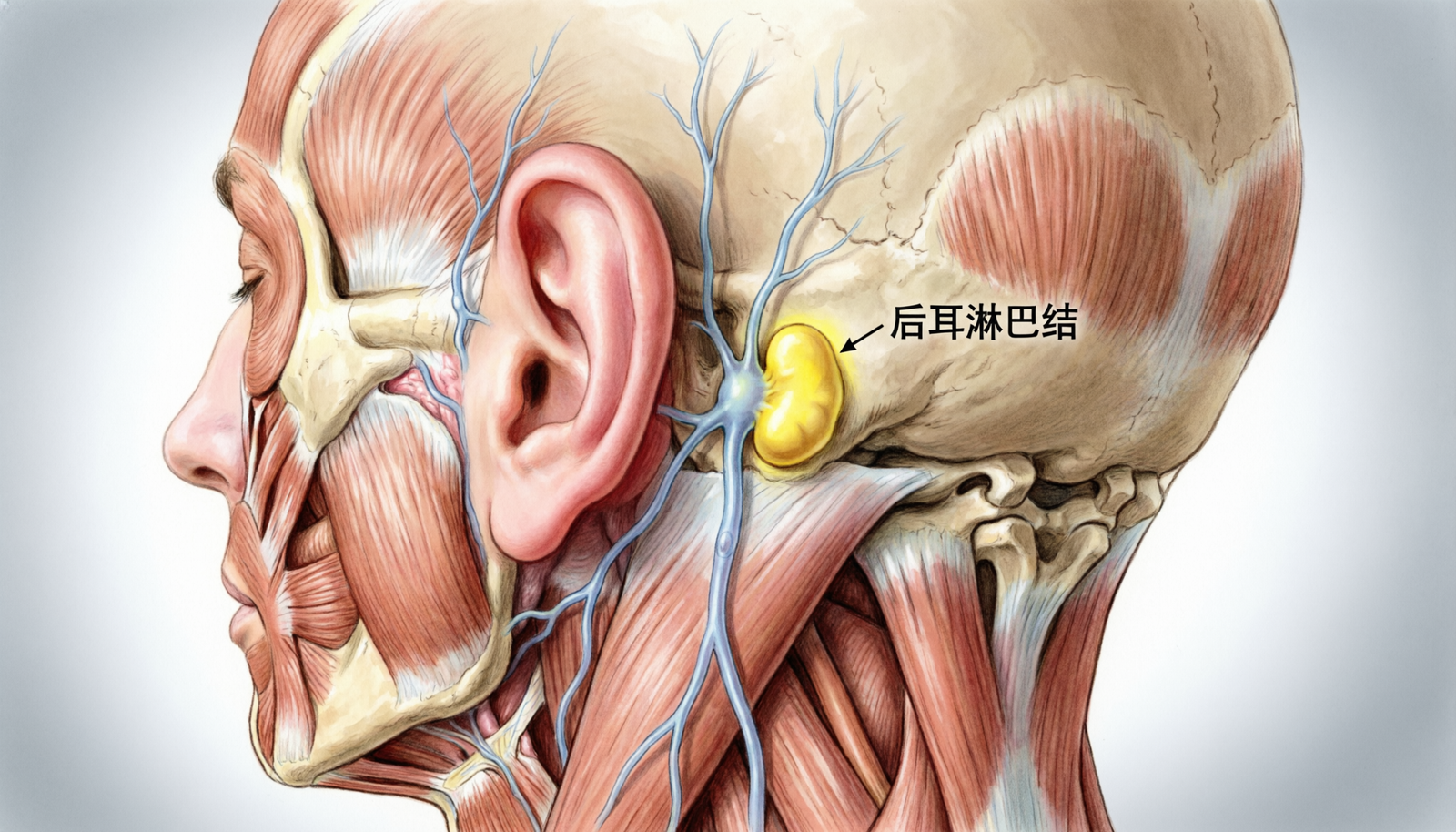
Have you ever felt a tender lump behind your ear and wondered what it signals? Posterior auricular lymph nodes sit right there, working tirelessly as part of your immune defense. These small but mighty nodes filter threats and keep infections at bay. You discover their importance when they swell and grab your attention. This article explores everything you need to know about them in a clear, engaging way.
What Exactly Are Posterior Auricular Lymph Nodes?
Posterior auricular lymph nodes are small, bean-shaped glands located behind your ears, near the mastoid bone. They form part of the lymphatic system, a network that runs throughout your body and supports immunity. You usually cannot feel these nodes when they stay normal-sized. They measure just a few millimeters across under typical conditions.
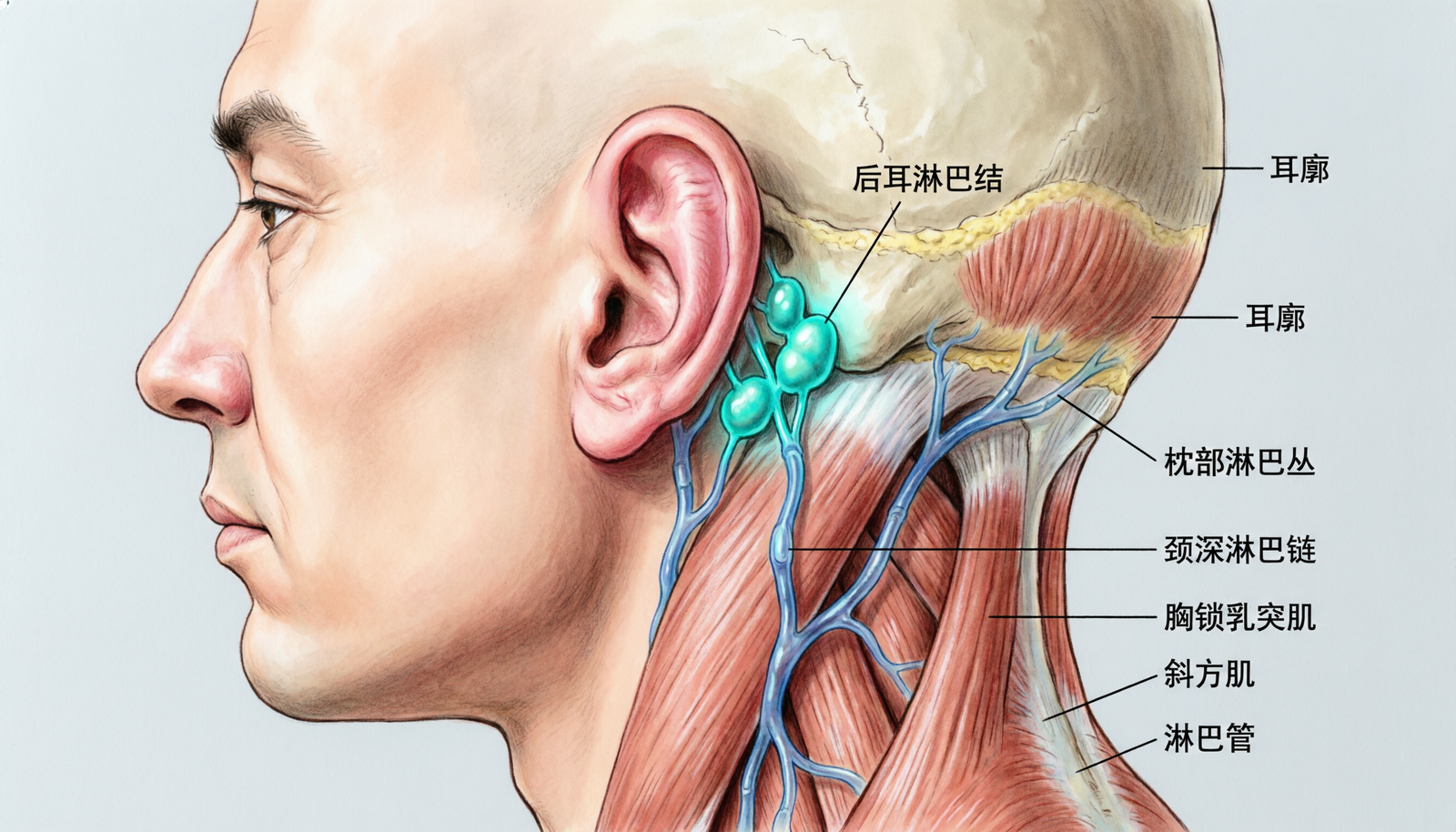
These nodes drain lymphatic fluid from specific areas like the scalp, external ear, and back of the head. They trap bacteria, viruses, and debris while housing immune cells that fight invaders. Think of them as vigilant checkpoints that activate whenever trouble arises nearby. Your body relies on them daily without you noticing—until something triggers a response.
Where Do They Sit and How Do They Connect?
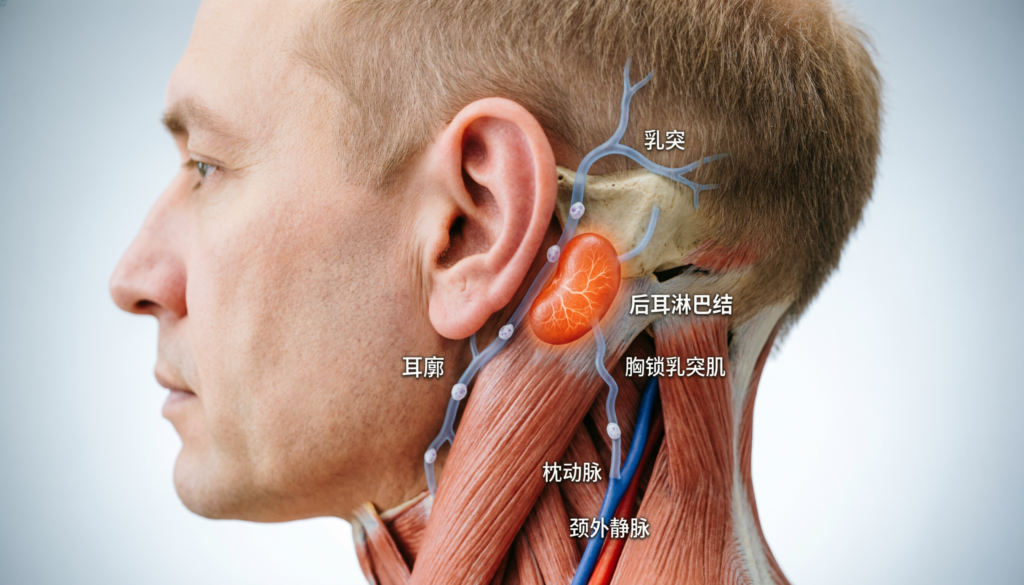
Posterior auricular lymph nodes cluster in the postauricular region, right where the ear meets the skull. They link to nearby lymph vessels that collect fluid from the skin and tissues of the upper neck and head. This strategic position lets them respond quickly to issues in the scalp, ears, or even eyes.
Lymph fluid flows through these nodes, gets filtered, and returns cleaner to your bloodstream. You benefit from this constant cleanup process that prevents buildup of waste and pathogens. Doctors often check this area during exams because swelling here points to localized problems rather than widespread issues.
Why Do Posterior Auricular Lymph Nodes Swell?
Swelling in posterior auricular lymph nodes usually means your immune system fights hard. Infections top the list of triggers. An ear infection, for example, sends signals that make these nodes enlarge and sometimes feel tender. Scalp infections, cuts, or even severe dandruff can spark the same reaction.
Viral illnesses like the common cold, flu, or mononucleosis also cause noticeable swelling. You notice the lump when white blood cells rush in to combat the threat. Bacterial issues, such as strep throat or skin abscesses, produce similar effects. In kids, common scalp conditions or eye infections frequently lead to temporary enlargement.
Rarely, persistent swelling points to something more serious, like autoimmune conditions or, in very uncommon cases, lymphoma. You always monitor changes and seek medical advice if the lump grows hard, stays enlarged beyond a couple of weeks, or comes with unexplained fever, night sweats, or weight loss.
How Can You Spot Trouble with These Nodes?
You run your fingers gently behind your ears and feel for any unusual firmness or size. Posterior auricular lymph nodes become palpable when inflamed, often tender to touch. Accompanying symptoms might include ear pain, scalp itching, sore throat, or fatigue, depending on the root cause.
Parents often notice these changes in children first because kids pick up infections at school or daycare. You stay alert but avoid panic—most cases resolve naturally as the body wins the battle. Home checks work well, yet professional evaluation brings peace of mind when doubt lingers.
Everyday Ways to Support Your Lymph Nodes
You keep posterior auricular lymph nodes healthy through simple lifestyle choices. Stay hydrated so lymph fluid flows smoothly. Eat nutrient-rich foods full of vitamins C and zinc that bolster immunity. Regular exercise promotes circulation and helps the lymphatic system do its job efficiently.
Good scalp hygiene prevents minor infections that could irritate these nodes. You wash your hair regularly, treat any cuts promptly, and avoid sharing personal items like combs during outbreaks. Gentle massage around the ears and neck can encourage drainage, but you apply light pressure only and stop if it hurts.
When Should You See a Doctor?
You schedule a visit if swelling in posterior auricular lymph nodes lasts longer than two weeks, grows larger, or feels rock-hard. Accompanying red flags include high fever, difficulty swallowing, or vision changes. Doctors perform exams, ask about recent illnesses, and may order blood tests or imaging for clarity.
Most times, treatment targets the underlying infection with antibiotics for bacterial causes or supportive care for viruses. You feel relief as the nodes shrink back to normal. Early action prevents complications and keeps your immune system strong.
Fun Facts That Make Lymph Nodes Fascinating
Did you know your body houses hundreds of lymph nodes, but the posterior auricular group stands out for its role in head and neck protection? They work silently like tiny bodyguards. Evolution equipped humans with this system to survive countless environmental challenges. You appreciate this built-in defense more when you understand how actively it responds to everyday threats.
Children’s nodes react more dramatically because their immune systems train constantly through new exposures. You watch kids bounce back quickly in many cases, which highlights the resilience of the lymphatic network.
Prevention Tips You Can Use Today
You reduce risks by practicing excellent hand hygiene and keeping vaccinations current against common illnesses. Avoid touching your face with unwashed hands, especially around the eyes and ears. A balanced diet and adequate sleep keep your entire immune system, including posterior auricular lymph nodes, performing at peak levels.
During cold and flu season, you take extra care with scalp and ear health. Simple steps like these empower you to support your body’s natural defenses without much effort.
The Bigger Picture: Lymph Health Matters
Posterior auricular lymph nodes remind you how interconnected your body systems remain. They filter, fight, and signal when help is needed. You listen to these signals and respond thoughtfully. Understanding them builds confidence in managing minor health hiccups and knowing when to seek expert care.
Your lymphatic system deserves appreciation for the quiet work it does. Next time you feel something behind your ear, you recognize it as a sign of your body working hard on your behalf. Stay curious, stay informed, and keep that immune army strong.
[…] owe it to yourself to check out dgmnews.com today. Whether you seek quick updates or in-depth analysis, the site meets your […]