
Introduction
Language often evolves over time, and many words develop different spellings that coexist for generations. One example that continues to create curiosity among readers, writers, performers, and students is theater or theatre. People frequently wonder which version is correct and whether one spelling carries more authority than the other.
The answer may surprise many readers. Both spellings are correct, and both have rich histories connected to literature, performing arts, and culture. The difference mainly depends on regional preferences and traditional usage rather than accuracy.
The world of stage performances has entertained audiences for centuries. From ancient Greek productions to modern musicals and dramatic plays, this art form continues to inspire creativity and bring communities together. Understanding the meaning and history behind theater or theatre helps readers appreciate the cultural importance of this timeless form of entertainment.
What Does Theater or Theatre Mean?
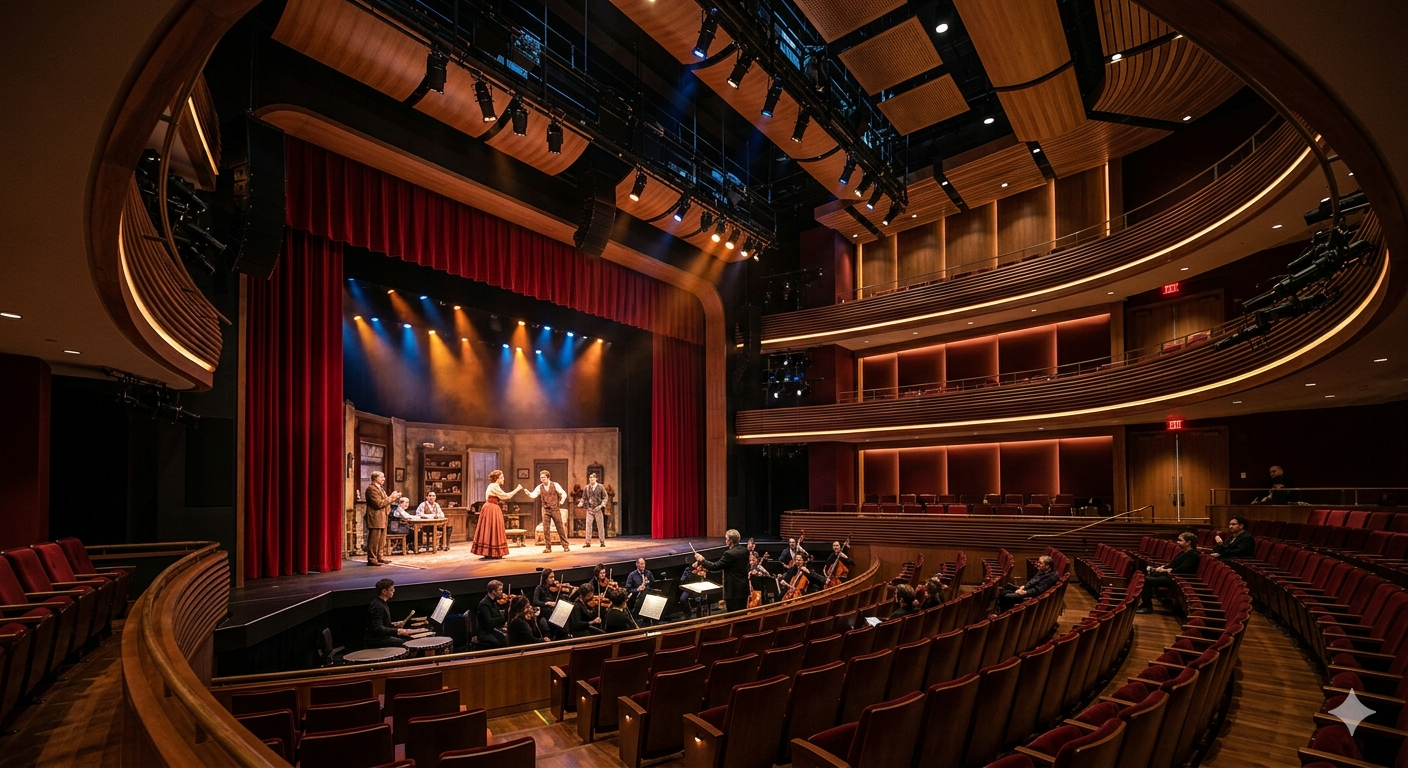
The terms theater or theatre refer to the art of live performance as well as the buildings where these performances take place. Actors, directors, writers, musicians, and designers work together to create experiences that entertain and inspire audiences.
The term can describe:
- Stage productions.
- Musicals.
- Dramatic performances.
- Comedy shows.
- Dance presentations.
- Performance venues.
Regardless of spelling, the meaning remains the same.
Why Are There Two Spellings?
Many English words developed different spellings because of regional influences and historical changes.
American English
In the United States, “theater” appears more frequently. Movie theaters, community theaters, and entertainment venues commonly use this spelling.
British English
In the United Kingdom and many other countries, “theatre” represents the preferred form. This spelling also appears in many professional performing arts organizations.
Although the spelling changes, the purpose remains identical.
Historical Origins
The history of theater or theatre stretches back thousands of years.
Ancient Greek culture introduced dramatic performances that explored mythology, politics, and everyday life. The Greek word “theatron” eventually influenced Latin and French vocabulary before entering English.
Over centuries, language changed naturally. Different regions adopted their own spelling preferences, leading to the coexistence of “theater” and “theatre.”
Today, both spellings remain widely accepted.
Importance of Performing Arts
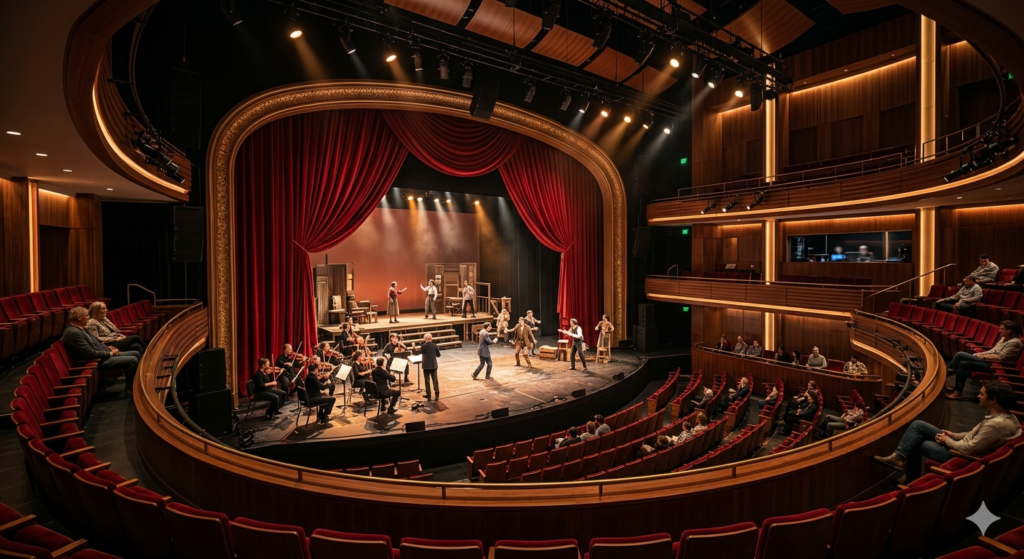
Performing arts contribute greatly to society.
People enjoy stage productions because they provide:
- Entertainment.
- Cultural expression.
- Emotional experiences.
- Storytelling traditions.
- Social connections.
- Creative inspiration.
These qualities explain why theater continues to thrive across the world.
Live Performances
Live performances offer unique experiences that recorded media cannot fully replicate.
Emotional Connection
Actors interact directly with audiences, creating memorable moments.
Creative Expression
Writers and performers bring stories to life through dialogue and movement.
Shared Experiences
Audiences experience emotions together, strengthening community bonds.
Cultural Heritage
Traditional performances preserve history and artistic traditions.
These elements contribute to the enduring appeal of theater or theatre.
Popular Genres
The performing arts include many styles and genres.
Drama
Dramatic productions explore serious themes and emotional stories.
Comedy
Comedy creates laughter and offers lighthearted entertainment.
Musicals
Music and storytelling combine to create unforgettable experiences.
Tragedy
Tragic productions examine human struggles and emotions.
Historical Plays
Historical performances bring important events to life.
Each genre attracts audiences with different interests and preferences.
Why People Love Theater
People continue to support live performances for several reasons.
Creativity
The stage allows artists to express ideas in imaginative ways.
Human Interaction
Live performances create a stronger connection between performers and audiences.
Variety
Different productions ensure that audiences always discover something new.
Inspiration
Stories often encourage reflection and emotional growth.
These qualities make theater or theatre one of the most respected forms of artistic expression.
Technology and Modern Productions
Technology has transformed modern performances.
Today’s productions benefit from:
- Advanced lighting systems.
- Digital sound equipment.
- Visual effects.
- Interactive experiences.
- Online ticketing services.
Technology enhances performances while preserving the magic of live entertainment.
Modern innovations continue to attract younger audiences and support the growth of performing arts.
Eco-Friendly Trends
Many performing arts organizations now embrace eco-friendly practices.
Examples include:
- Digital tickets.
- LED lighting systems.
- Recycled stage materials.
- Paperless marketing.
- Sustainable production methods.
These eco-friendly initiatives help reduce waste and support environmental awareness.
As sustainability becomes increasingly important, more organizations continue adopting greener practices.
Educational Benefits
Performing arts provide valuable learning opportunities.
Students often develop:
- Communication skills.
- Confidence.
- Teamwork abilities.
- Creativity.
- Problem-solving skills.
These benefits extend beyond the stage and contribute to personal development.
Schools and universities around the world continue to support performing arts education because of these advantages.
Famous Theatrical Traditions
Several countries possess strong theatrical traditions.
United Kingdom
British theatre enjoys a rich history that includes Shakespeare and modern productions.
United States
American theater thrives through Broadway and regional productions.
Japan
Traditional Japanese performances showcase centuries of cultural heritage.
France
French theatre has influenced literature and dramatic arts worldwide.
These traditions highlight the global importance of theater or theatre.
Which Spelling Should You Use?
The answer depends on your audience.
Use “theater” when writing for American readers.
Use “theatre” when addressing British audiences or discussing organizations that prefer this spelling.
Both versions remain correct, and neither spelling holds greater authority than the other.
Understanding audience expectations helps writers communicate more effectively.
Advantages of Live Entertainment
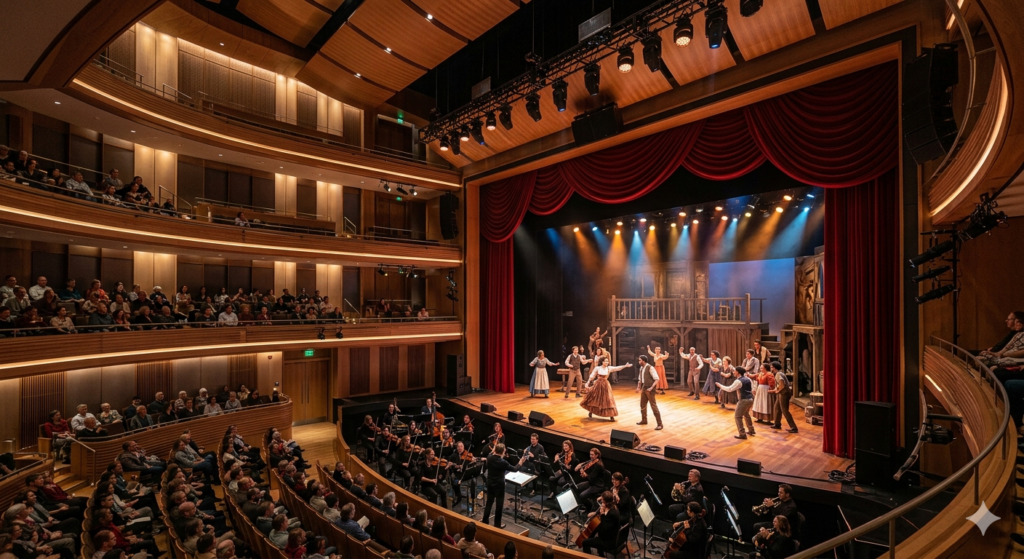
Live entertainment offers several benefits.
- Memorable experiences.
- Community engagement.
- Artistic appreciation.
- Cultural preservation.
- Educational value.
- Emotional connection.
These advantages explain why performing arts continue to attract audiences around the world.
Future of Performing Arts
The future of theater or theatre looks promising.
Emerging trends include:
- Virtual experiences.
- Interactive productions.
- Hybrid performances.
- Greater accessibility.
- Eco-friendly innovations.
These developments will help performing arts remain relevant for future generations.
Final Verdict
The debate surrounding theater or theatre has a simple answer. Both spellings are correct, and both represent a remarkable tradition that has entertained audiences for centuries.
Whether people prefer “theater” or “theatre,” the essence remains unchanged. Live performances continue to celebrate creativity, storytelling, and human connection. As technology advances and audiences evolve, this timeless art form will continue inspiring communities around the world and preserving the magic of performance for generations to come.
[…] remains the key to interpreting abbreviations correctly. As digital communication continues evolving, abbreviations will remain an […]