
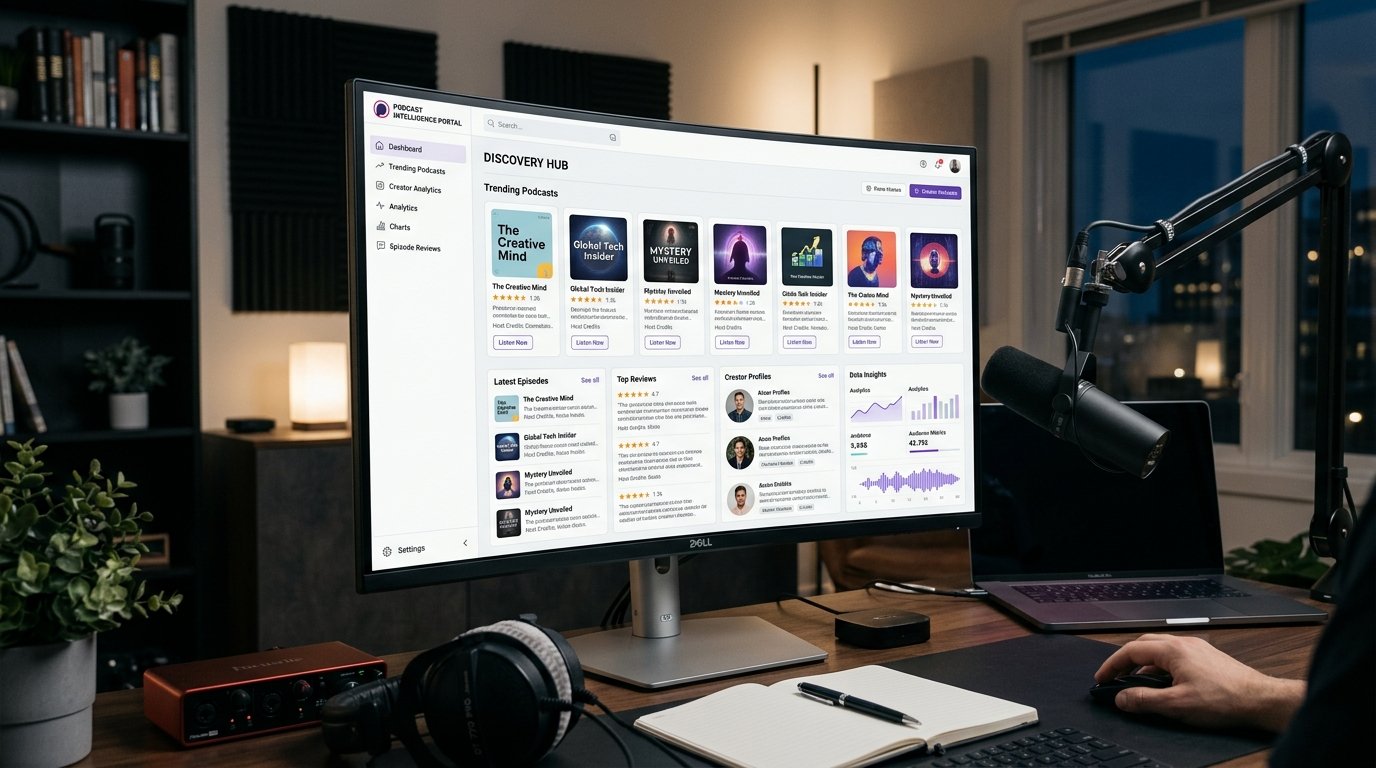
Podcasts have grown into a huge and fragmented media ecosystem. Thousands of new shows and episodes appear across different platforms, making it difficult to discover the right content, identify the people behind a production, compare shows, or research podcasts for professional campaigns.
Podchaser was created to address that problem. It combines podcast discovery, searchable metadata, ratings, reviews, creator credits, charts, curated lists, audience intelligence, and professional research tools in one platform. Podchaser’s current website describes the service as a podcast database and search engine serving listeners, creators, brands, agencies, and developers.
The platform has also evolved considerably since its launch. What began in 2016 as an effort by podcast enthusiasts to create a more useful database has developed into a broader podcast intelligence business. The company says its database now covers more than 5.5 million podcasts, while its API documentation lists more than 5.5 million podcasts, more than 4 million episode transcripts, and more than 27 million host, guest, and crew credits.
What Is Podchaser?
Podchaser is essentially a searchable information layer for the podcast industry.
Instead of treating a podcast simply as something that you play, the platform organizes information surrounding the show. Users can explore podcasts and episodes, see ratings and reviews, identify hosts and guests, examine creator credits, browse charts, and create curated lists. Professional users can access additional information related to audience demographics, reach, contacts, sponsorships, and podcast monitoring.
That distinction is important. A traditional podcast player primarily helps people listen. Podchaser is designed to help people discover, research, organize, and understand podcasts as well.
The service is therefore useful to several groups. A listener can use it to find new shows. A podcaster can use it to manage a creator presence and encourage reviews. A publicist can research podcasts for a guest-placement campaign. A brand can study potential advertising opportunities. Developers can use the API to bring podcast information into another product.
How Podchaser Started
Podchaser traces its origins to 2016, when podcast enthusiasts connected through Reddit and discussed the idea of creating something like an IMDb-style database for podcasts. The company’s current history says the project started because there was no easy way to explore the rapidly expanding podcast ecosystem.
Podchaser later grew from a side project into a venture-backed company. A 2018 company announcement described its goal as becoming a go-to podcast database and discovery tool, while noting that the platform had already built a large episode library and partnerships with podcast applications.
In July 2022, Acast announced that it had agreed to acquire Podchaser. Acast disclosed an initial consideration of $27.2 million, with potential additional payments of up to $6.8 million tied to an earnout. The acquisition closed on August 1, 2022.
Podchaser said after the acquisition that it would continue operating as an independent brand and retain its platform-agnostic approach.
How Does Podchaser Work?
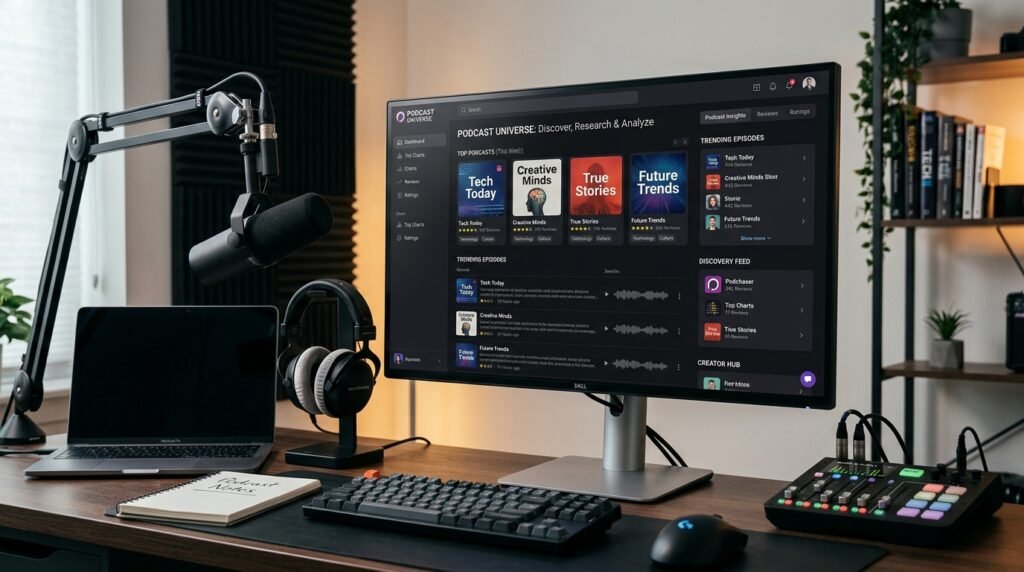
The basic experience starts with search and discovery.
Users can browse podcasts by categories, ratings, reviews, charts, creators, and other forms of metadata. Podchaser also supports episode discovery, which makes the platform useful when someone knows a topic but does not yet know which podcast covers it. The company says users can search hundreds of millions of podcast episodes and explore topics across individual episodes.
The platform also supports different ways of organizing results. Its API documentation includes sorting options such as relevance, trending, rating, date of the first episode, follower count, and Power Score for eligible plans.
This structure is particularly useful for niche research. Someone looking for podcasts about business, education, sports, technology, history, or another specialized subject can use the database to narrow the field instead of relying only on recommendations from a single listening app.
Ratings and Reviews
Ratings and reviews are one of Podchaser’s most recognizable community features.
Users can rate podcasts and individual episodes on a five-star scale and can also write reviews. According to Podchaser’s help documentation, submitted ratings and reviews appear on the relevant podcast or episode page and contribute to its recommendation system.
Reviews can also help readers understand how other listeners perceive a show. They provide context that basic metadata cannot always provide, particularly when someone is deciding whether to spend time with an unfamiliar podcast.
For creators, reviews can become another form of audience feedback and discoverability. Podchaser also provides tools that let podcasters direct listeners toward the platform for ratings and reviews.
However, reviews should still be treated as user opinions rather than objective measurements of quality. A high rating can indicate strong audience satisfaction, but it does not automatically mean a podcast will suit every listener.
Creator Credits Are a Major Feature
One area that makes Podchaser different from a simple podcast directory is its detailed credit system.
Podchaser treats podcast production credits similarly to credits in film and television. A person may be listed as a host, guest, producer, voice actor, editor, or another production role. Credits connect to creator profiles, allowing users to see a person’s contributions across podcasts and episodes.
The platform’s creator pages are useful for more than curiosity. They can help listeners discover other programs featuring a particular guest, while professionals can use them when researching someone’s podcasting background.
Podchaser also participates in Podcast Taxonomy, an industry collaboration focused on creating a standardized system for podcast production roles and credits. The company says the initiative includes Podchaser, Staff Me Up, and roughly 40 other industry partners.
That effort addresses a real problem in podcasting: production work often remains less visible than the on-air personalities. A structured credit system gives producers and other contributors a way to document their participation.
Lists and Personalized Discovery
Podchaser also has a social and organizational layer through podcast and episode lists.
Users can create curated collections around a particular theme, topic, interest, or recommendation. Those lists can then be shared with other people. Podchaser describes them as a way to organize, share, and bookmark podcasts and episodes.
This feature helps solve a common discovery problem. Finding one good podcast is relatively easy. Building a useful collection of related shows is harder.
A curated list can therefore function as a lightweight recommendation guide. Readers can use existing community lists, while podcasters and industry professionals can create collections for specific audiences.
Is Podchaser Free?
Yes. Podchaser’s help center currently states that the core service is free, while paid products such as Podchaser Pro are available for professional users.
The free experience is designed around podcast discovery and community participation. Users can browse the database, follow podcasts and creators, contribute ratings and reviews, and create lists.
This distinction matters because the platform’s professional capabilities are considerably broader than its consumer-facing features.
What Is Podchaser Pro?
Podchaser Pro is the platform’s premium business product.
The service is aimed at professional marketers, brands, public relations teams, podcast networks, and other organizations that need deeper podcast intelligence. Podchaser says Pro provides information such as analytics, demographics, charts, contacts, and other data for podcast research and outreach.
Current Pro materials highlight several capabilities, including podcast discovery, audience and reach information, contact data, brand-safety measurements, social analytics, sponsor information, media monitoring, and ad-rate estimates.
This makes Pro significantly different from the ordinary Podchaser browsing experience. A casual listener may only need search, ratings, and lists. A PR professional may need to identify suitable shows, locate relevant contacts, evaluate audiences, and monitor mentions.
Podchaser currently directs potential professional customers toward its sales and demo process rather than presenting a simple public self-service price list. An independent 2026 analysis also notes that pricing is generally handled through a demo or customized discussion rather than a straightforward public pricing page.
Podchaser for Podcasters
Podcasters can use the platform as another public profile for their work.
Claiming or managing a podcast page provides access to settings for information such as the show’s custom URL, social links, categories, RSS feed, notifications, and promotional elements.
Creators can also develop their Podchaser creator profiles and attach accurate credits to their work. Because creator credits are searchable, a well-maintained profile can make it easier for people to understand a person’s role across different productions.
For podcast producers, that makes Podchaser more than a directory listing. It can act as a public professional identity within the podcasting ecosystem.
Does Podchaser Have a Mobile App?
Podchaser does not currently operate as a traditional native app-store podcast application. Instead, the company provides a Progressive Web App that can be installed on mobile devices and desktop computers for an app-like experience. Its current installation guide covers Android, iOS, and desktop installation.
The company’s reasoning is closely connected to its role in the ecosystem. Podchaser positions itself as a discovery and information platform rather than trying to replace every dedicated podcast player.
That approach also allows users to keep their preferred listening application while using Podchaser for research and discovery.
Podchaser API for Developers
Developers can use the Podchaser API to integrate podcast data into other applications and services.
The current API page describes access to more than 5.5 million podcasts, more than 4 million episode transcripts, more than 27 million creator credits, and more than 20,000 Apple and Spotify charts. The API is designed for podcast discovery, metadata, analytics, and other data-driven applications.
This is an important part of Podchaser’s business model because podcast information becomes more valuable when it can power other products. Instead of forcing every developer to build and maintain a large podcast database independently, an API can provide access to structured information through a single integration.
Who Should Use Podchaser?
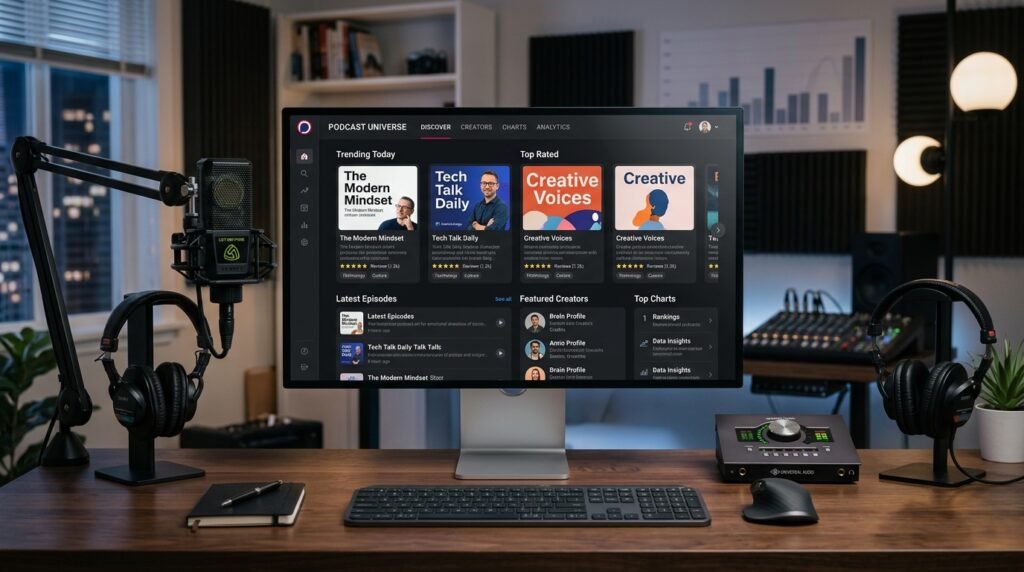
Podchaser makes the most sense when the goal involves discovery, research, organization, or podcast intelligence.
Listeners can use it to find shows and episodes, explore creator credits, read reviews, and follow podcasts. Podcasters can use it to manage their public presence, gather reviews, and document their production credits. Professionals can use Pro for audience research, podcast outreach, advertising planning, sponsorship research, and monitoring. Developers can use the API when they need structured podcast information inside another application.
The platform’s main value is therefore not that it replaces a podcast player. Its value comes from bringing fragmented information about the podcast ecosystem into a searchable and structured environment.
What Makes Podchaser Different?
The biggest distinction is the breadth of information surrounding each podcast.
A listener-focused directory might primarily provide a show title, description, episode feed, and listening links. Podchaser goes further by connecting shows with reviews, ratings, people, credits, lists, charts, audience information, sponsorship information, and other metadata.
The company itself says its broader mission is to make podcast data accessible and useful for discovery, analytics, measurement, and media planning.
That broader scope explains why the platform attracts both ordinary podcast listeners and businesses. The same underlying database can support very different tasks, from finding a new history podcast to researching potential advertising opportunities.
Final Thoughts
Podchaser has grown from a community-driven podcast discovery idea into a much broader podcast data and intelligence platform. Its current ecosystem combines a free public discovery experience with professional products designed for marketing, PR, media planning, sponsorship research, monitoring, and developer integrations.
For listeners, the most useful features are likely to be search, reviews, creator credits, charts, follows, and curated lists. For creators, the platform offers a way to showcase work and build a structured podcasting profile. For businesses, Podchaser Pro extends the same database into a more detailed research and outreach environment.
The platform’s history also explains its current identity. It was built around the idea that podcast information was scattered across too many places. By organizing podcasts, episodes, people, credits, reviews, and industry data in one ecosystem, Podchaser has become an important research layer for modern podcast discovery.
[…] powder transfer. Its future will depend heavily on how successfully it restores production, manages inventory, and turns its unusual packaging technology into a sustainable long-term business. Current company […]
[…] the first time, the key takeaway is simple: “Lemon Pound Cake” is primarily an Afroman music reference, not the name of a verified celebrity recipe. The dessert is real, but the larger story is about […]