
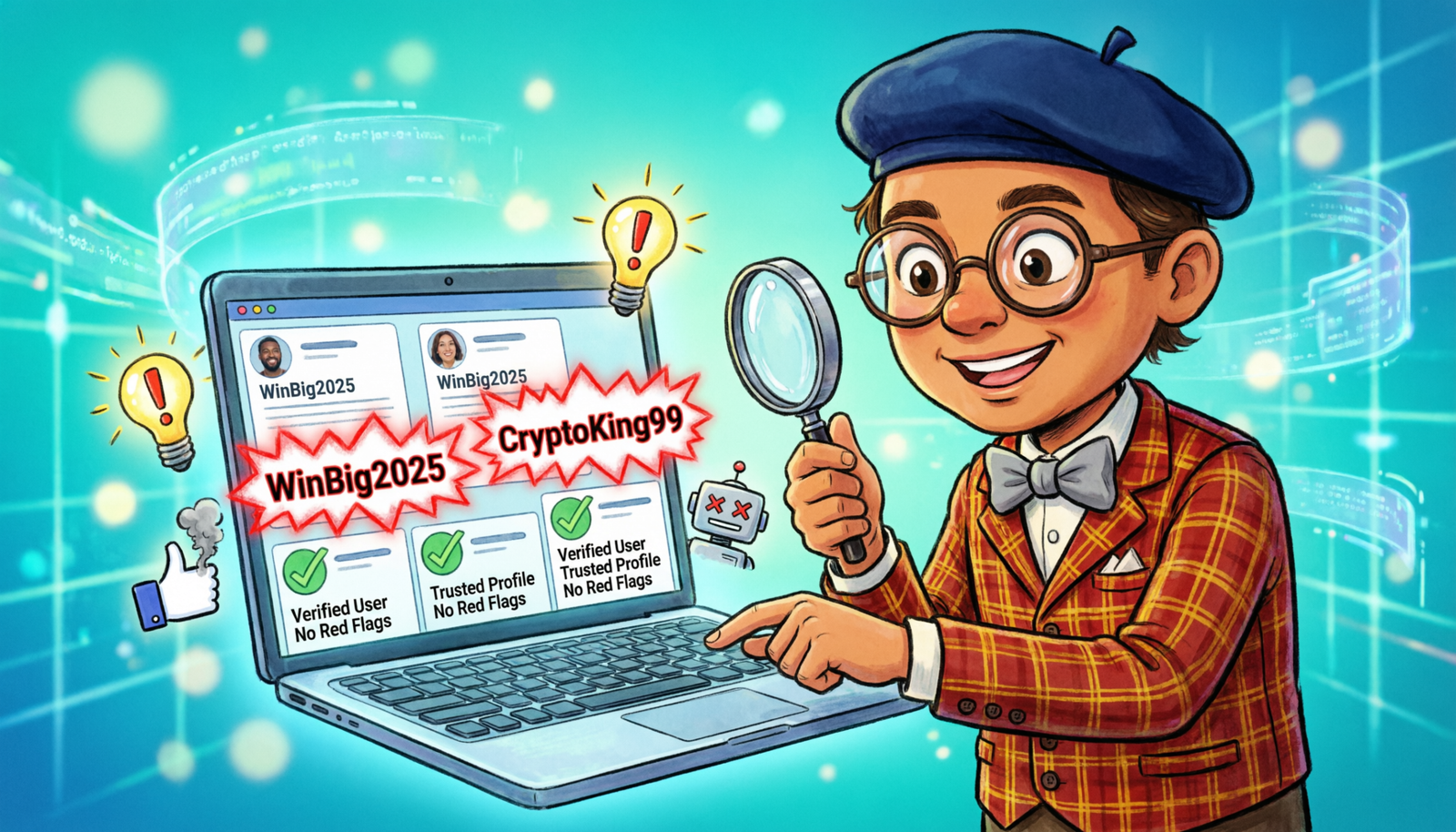
Have you ever received a suspicious friend request or a random comment that just feels off? You click the profile and notice the username looks strange. Welcome to the world of spam account names. These fake profiles flood social media, email, and online forums every single day. They waste your time, steal your attention, and sometimes target your personal information. Readers constantly ask how to spot them quickly. This guide dives deep into spam account names, reviews real patterns, and equips you with clear steps to protect yourself.
Why Do Spam Account Names Matter Right Now?
Spam accounts multiply fast on every major platform. You open Instagram, Twitter, or Facebook and encounter them in comments, direct messages, or suggested follows. They promise quick riches, fake giveaways, or urgent help. Their names often hide the real intent. You wonder: How do these profiles keep slipping through? The answer lies in their clever yet predictable construction.
Spam account names follow patterns that creators design to look legitimate at first glance. They mix numbers, random letters, and common words. You see profiles like “JohnSmith_2023” or “LuxuryDealsNow99.” These choices help them blend in while avoiding easy blocks. You stay safe when you learn to read between the lines of these usernames.
Common Patterns in Spam Account Names
Look closely at how spammers build their handles. They frequently add sequences of numbers at the end. Birth years, current dates, or lucky numbers appear often. You spot “EmmaTravel2024” or “CryptoKing_777.” These digits make the name seem fresh and active.
Another tactic involves mixing real-sounding first names with brand-like terms. Profiles such as “EliteShopperPro” or “FitnessGuruDaily” promise value but deliver spam. You notice underscores, dots, or extra letters that real users rarely choose. Genuine people pick simple, memorable names. Spammers overload theirs to include keywords for search visibility.
Repetitive themes stand out too. Many focus on money, crypto, health, or romance. You encounter “RichLifeHacks88,” “LoveMatchExpert,” or “InvestmentTipsFree.” These spam account names target desires and emotions. They hook curious users who click without thinking. You protect yourself by pausing and questioning the story behind the name.
How Spammers Create and Use These Names
Creators of spam account names work systematically. They generate thousands of variations with scripts and tools. They test which combinations get higher engagement. You see waves of similar names appear suddenly across platforms. One day it is “GiveawayHunterX,” the next it becomes “WinBigNow2025.”
They also copy popular trends. During major events, sports seasons, or viral challenges, spam names ride the wave. You find “OlympicsFan2024” or “ElectionUpdateNow” during busy news cycles. These choices increase the chance you interact before realizing the trick. Spammers evolve fast. You must stay alert because yesterday’s detection method may not catch tomorrow’s twist.
The Real Impact on Your Online Experience

Spam account names frustrate everyone. They fill your notifications with junk. They trick friends and family into sharing links or data. You lose trust in the platform when legitimate messages get buried under noise. Worse, some lead to scams that drain wallets or compromise accounts.
You feel the broader effects too. Platforms spend resources fighting them, which raises costs for everyone. Digital spaces become less enjoyable and more cautious. You want clean interactions with real people. Recognizing spam account names early restores that joy and security.
Quick Ways to Spot Spam Account Names
You develop a sharp eye with practice. Start with the profile picture. Stock images, blurry photos, or overly perfect models raise red flags. Next, check the bio. Real users share personal details. Spammers keep bios vague or stuffed with links and emojis.
Review posting history. Spam account names often show low activity mixed with sudden promotional bursts. You see generic comments like “Nice post!” repeated across unrelated accounts. Follower counts tell stories too. A new profile with thousands of followers but zero following usually signals spam.
You dig deeper by searching the exact username across platforms. Duplicates appear quickly. Tools like reverse image search on the profile picture confirm stolen visuals. You combine these checks into a fast routine that saves time and stress.
Smart Strategies to Block and Report
Platforms give you powerful tools. You report suspicious spam account names directly in the app. Consistent reporting helps algorithms learn and remove fakes faster. You adjust privacy settings to limit who can message or tag you. Strong passwords and two-factor authentication add extra layers.
You also use browser extensions and apps designed to flag spam. These tools highlight risky profiles before you engage. You share experiences in community forums to warn others. Collective action reduces the overall spam problem. You take control instead of letting spammers dictate the conversation.
Staying Ahead of Evolving Spam Tactics
Spammers adapt constantly. They now use AI to generate more natural-looking spam account names. You see handles that mimic real hobbies or local references. They create networks of interconnected fake accounts that boost each other’s credibility.
You counter this by verifying before trusting. You ask simple questions in replies and watch how they respond. Genuine users engage naturally. Spammers give scripted or evasive answers. You limit sharing personal details with new contacts. These habits keep your digital life cleaner and safer.
Building a Spam-Free Online Habit

You make better choices when you understand the game. Pause before accepting requests. Question offers that sound too good. You enjoy platforms more when you focus energy on real connections. Teach friends and family these detection skills. You create a ripple effect that pushes spammers out.
Spam account names thrive on quick reactions. You slow down and think critically. This approach protects your time, data, and peace of mind. You turn frustration into empowerment.
Final Thoughts on Fighting Spam Account Names
You now hold clear insights into spam account names and their tricks. You recognize patterns, understand motivations, and apply practical checks. Stay curious, stay vigilant, and keep your online spaces enjoyable. The internet improves when users like you push back against spam. What suspicious name have you spotted lately? Share your detection wins in the comments and help others stay safe.
This review shows that awareness beats automation every time. You win by staying informed and proactive. Keep learning, keep questioning, and enjoy a better online experience free from the clutter of spam account names.
[…] posts authentically on social media. He shares family moments, game highlights, business moves, and motivational messages. His Instagram account @kingjames commands massive attention. He earns […]
tsmgdhtfojmhjkvjpmgnjrrmuwiqdp
xjimynrfjkitvmzoqwwvmzusnutrxm